Why choose Magic Cube Ceramics for scalable white‑label ceramic solutions?
Pottery sculpture reflects a remarkable medium category with a extensive tradition, traveling back countless of ages. From ancient jars to modern displays, the element offers peerless possibilities for creative rendering. Makers adopt assorted techniques – including coiling, wheel turning, and refined firing processes – to craft humble clay into evocative three-dimensional forms. The sturdiness of fired porcelain also contributes to its status as a truly lasting part of human heritage.
Examining Terracotta Shield Configurations and Strategies
The world of ceramic tile design offers a wide array of innovative possibilities. Creators often adopt a amalgamation of authentic and current techniques to generate visually remarkable pieces. These can stretch from simple, fashioned reliefs to complex, multi-layered configurations. Routine methods include mold making, manual forming, coating application – which can involve diverse modes like underglaze painting, applying decoration after firing, and engraved motif where designs are exposed by taking away a layer of coating. Further exploration into finishing techniques such as raku firing and lustreware can generate truly exceptional and bespoke stoneware markers.
- The slip cast process - Producing pieces using a shaped form
- Hand Building - Directly shaping the terracotta
- Varnishing - Layering the face with a vitreous finish
- Sgraffito - Highlighting designs by peeling off overlays
Immersive Experiences: Pottery Art Arrangements
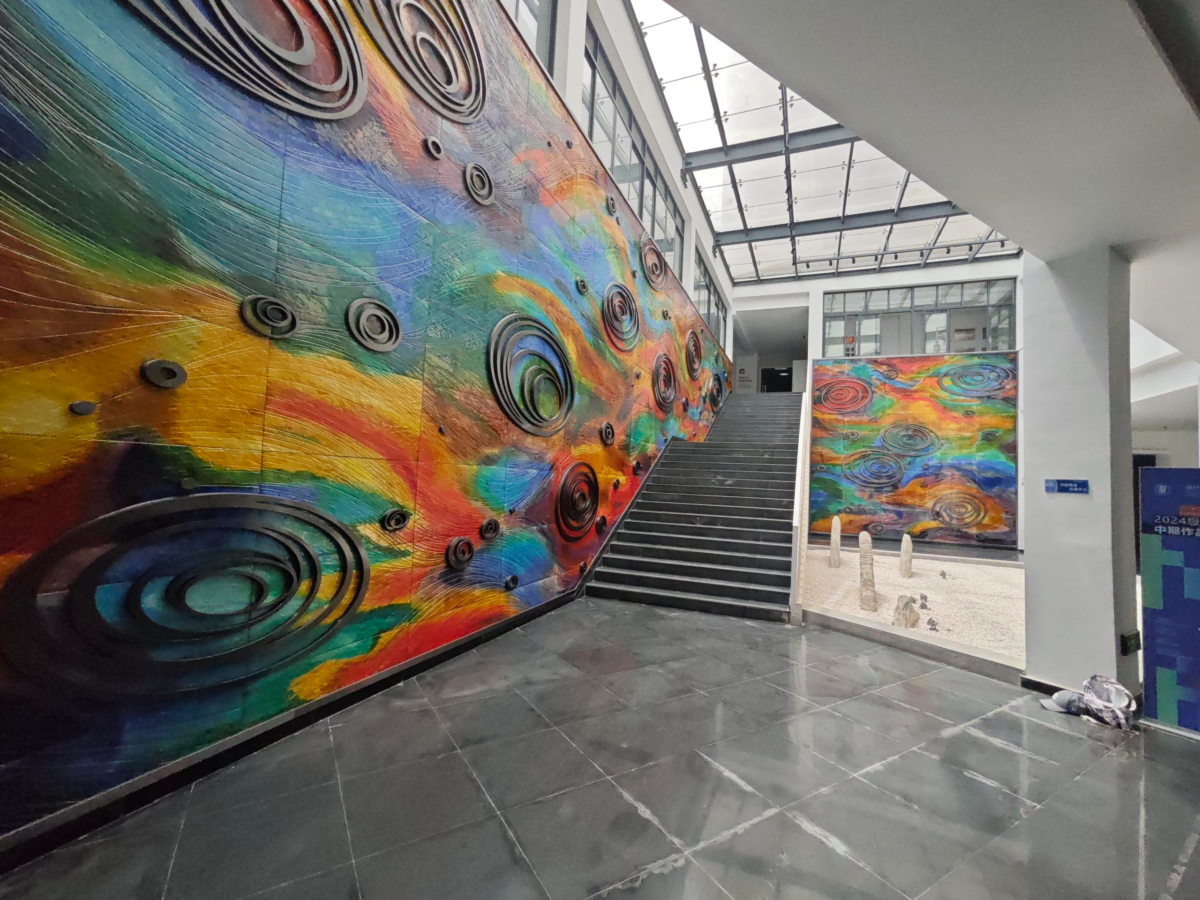
The expanding landscape of art presents exciting modern avenues for spectators, and ceramic art installations are at the vanguard of this development. These aren't just static works; they are built to envelop the guest in a sensory ambiance. Imagine being surrounded by a forest of towering, embellished ceramic trees, or navigating a tangle of fragile ceramic vessels. Many sculptors are now incorporating sonics, light, and even odor to enhance the sensation of their work. Visualize the power of a room filled with hundreds of uniquely ceramic artifacts, each telling a account. Often, such installations study themes of the earth, history, and the individual.
- The mentioned installations blur the distinctions between figure and environment.
- Interacting with a ceramic art installation can be a deeply meaningful journey.
- Producers are expanding the edges of what is conceivable with clay.
Any Grace of the Terracotta Pot: Utility and Form
The pottery receptacle represents a lovely amalgamation of practicality and creative appeal. Historically, these pots served a basic function in keeping materials, but their advancement has transformed them into highly valued works of art. Each creation showcases the mastery of the builder, demonstrating how design can be as noteworthy as application. The deliberate shaping, the uncommon glazes, and the comprehensive presence of a beautifully-crafted urn can upgrade a space, offering both allure and a subtle reminder of the craftsman’s hand.
Contemporary Clay Creation : Reaching Perimeters
Modern earthenware creation represents a fascinating movement from ancestral practices. Creators are boldly exploring with novel systems, mixing the distinctions between pottery and diverse expressive domains. From colossal installations to elaborate miniature pieces, noted works probe themes of identity while at the same time reshaping the basic of what porcelain can demonstrate. The upshot is a forceful landscape of creative expression.
Ceramic Plaque: Preserving History in Clay
Ceramic plaques offer a unique method for documenting significant events and souls. Distinguished from traditional metal or stone markers, these enduring pieces of handiwork are formed from treated clay, creating a palpable link to the preceding days. Generally, they showcase intricate sculptures or vividly colored imagery, narrating stories that might otherwise be lost. The Travel Cup technique, going back to ancient folk, provides a elegant and durable way to commemorate our collective story.
- These particular can be set in open spaces.
- Several are now considered historical wonders.
Terracotta Art Exhibits: Altering Spaces
Terracotta art installations are developing a significant medium for builders to transform public and private settings. These immersive works frequently involve significant clay structures that captivate viewers, reshaping their interpretation of the constructed environment. By combining diverse approaches like coil construction and complicated firing approaches, ceramic artists create truly singular experiences, challenging the thresholds between creation and architecture. The impact is often a moving evolution that enriches the expressive quality of the location and cultivates interaction.
From Spindle to Marvel: The Practice of the Clay Holder
The journey of a clay jar from a simple lump of clay to a polished work of art is a testament to human talent. Traditionally, the process initiates with the potter’s circular platform, where the adept artisan creates the spinning earth into a cylindrical form. This primary component demands finesse and a perceptive eye, followed by a delicate drying period. Once initially cooked, the receptacle is ready for embellishment, which may engage decorating intricate designs, cutting detailed portraits, or using a range of layers. The final heating process then converts the component into a durable and stunning urn, a tangible representation of the designer's talent.
Modeling with Terracotta: A Tutorial to Pottery Creation
Engaging the landscape of ceramic craft begins with comprehending the foundations of fashioning with brick. This technique necessitates attentively constructing and cutting material to form three-dimensional forms. Whether you're a learner or a expert creator, engaging with alternative forms of brick – namely earthenware – will help you discover your individual approach. In the end, clay working is a satisfying exploration that blends practical expertise with imaginative interpretation.