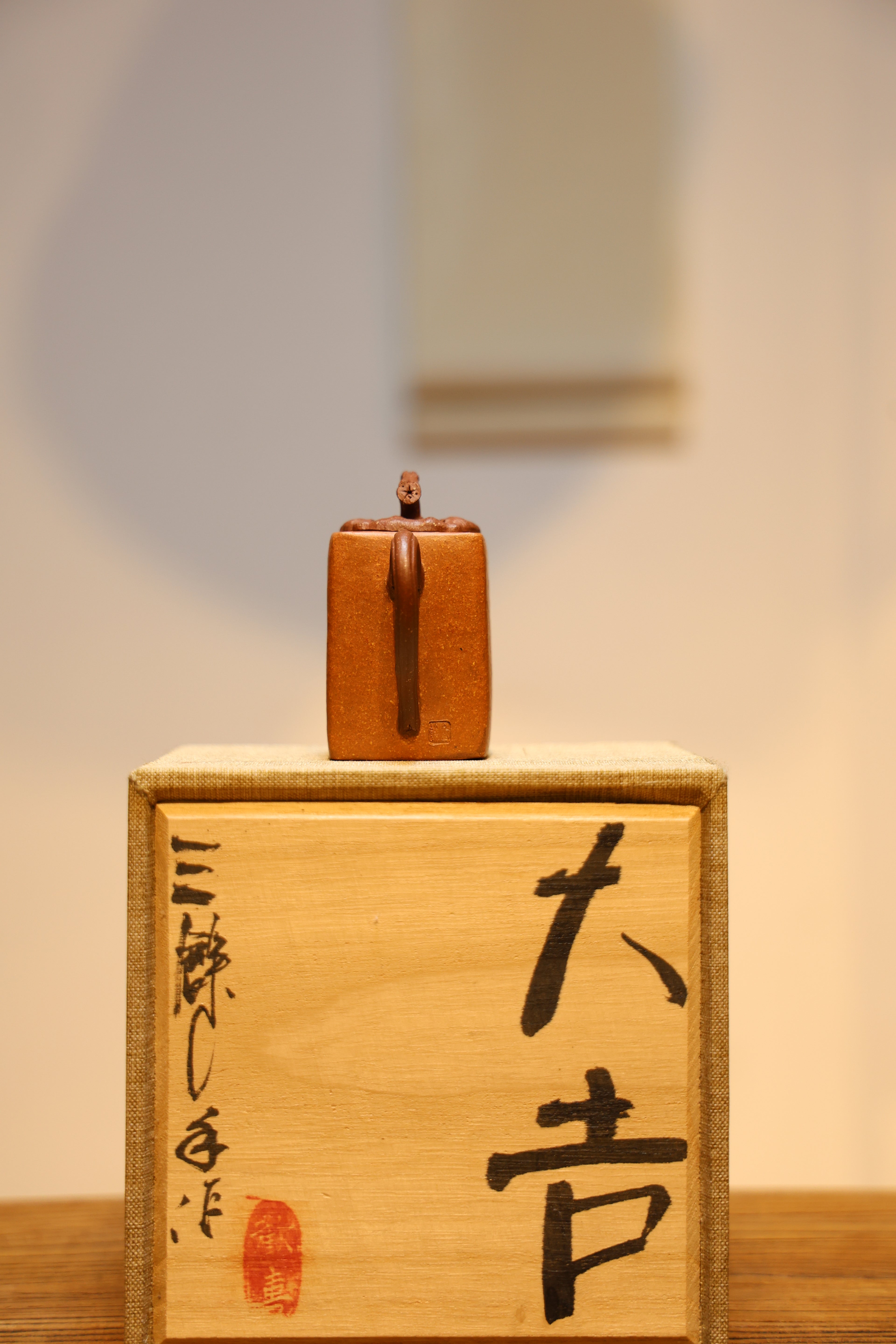
Can a travel-sized Zisha Teapot deliver café-quality tea on the go?
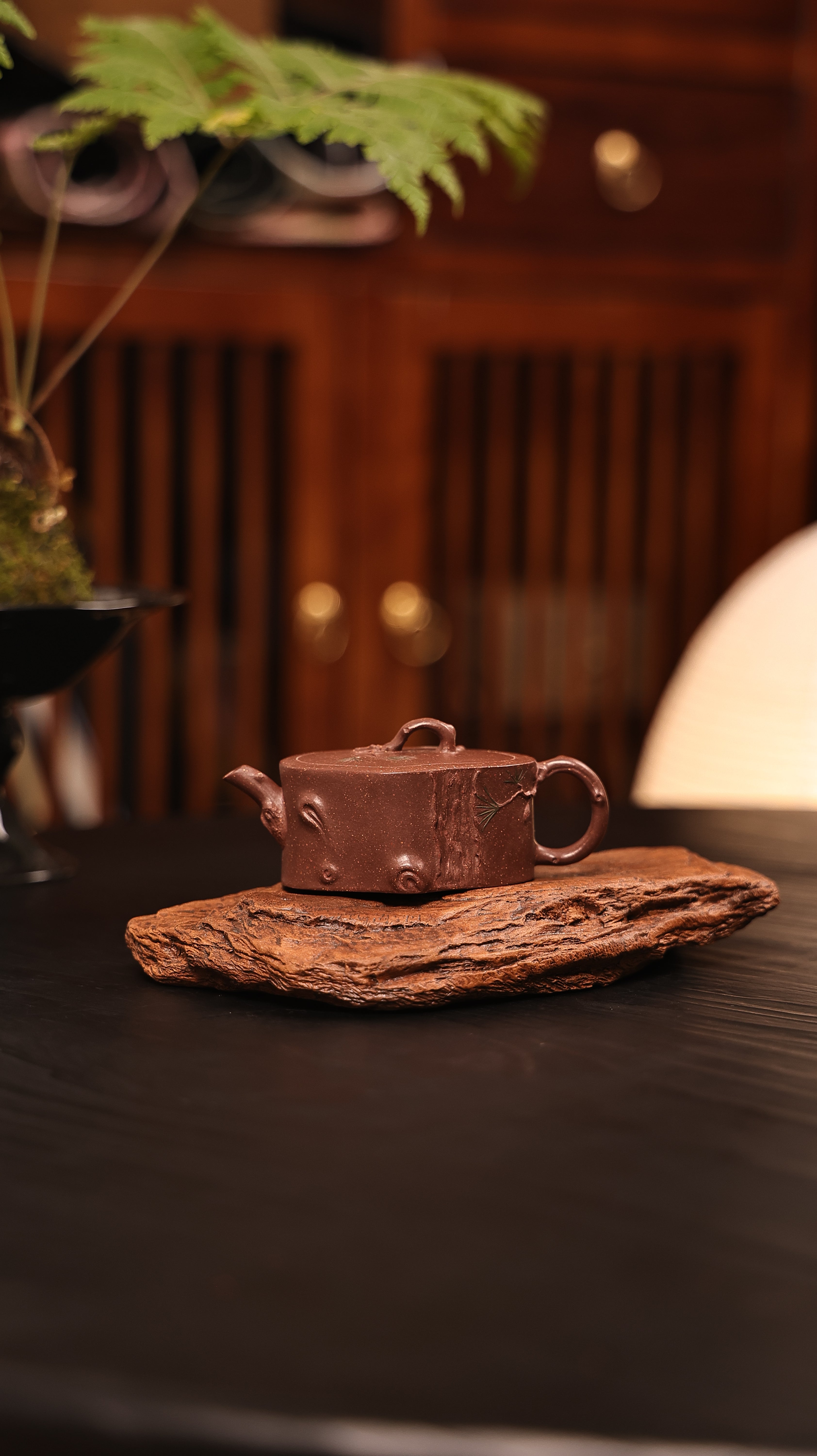
In the realm of timeless legacies,
Over periods, connoisseurs have been absorbed by the distinctive charm of Yixing Zisha containers. Originating from the district of Yixing in China, these wares are renowned for their notable beauty, unusual clay, and essential ability to raise the bouquet of tea. The clay's distinctive purple-brown hue, combined with the artistic handiwork of regional makers, creates items that are simultaneously functional designs and cherished holdings. Purchasing a Zisha teapot is more than just one purchase; it's accepting a rich heritage heritage.
Decoding Yixing Teapots: Origins, Categories, and Worth
The Yixing teapots represent a rich history deeply intertwined with Chinese culture. Starting in the Yixing region of Jiangsu province, these clay vessels carry a heritage linking back to the Ming Dynasty. Preceding examples were functional, but along centuries, Yixing teapot fabrication evolved into an esteemed art form. The clay itself, known for its unique structure and ability to influence the flavor of the tea, is a defining factor. Yixing teapots materialize in various kinds, broadly categorized by shape: Standard such as Zhuni (purple clay) and Bisheng, as well as advanced designs. The worth of a Yixing teapot centers on several factors, including the potter’s distinction, the age of the piece, the rarity of the clay, and its aesthetic charm.- Background: Centuries ago
- Medium: Assorted selections
- Assessment Factors: Historical period
Zisha Pot Creation: Methods and Artists
One crafting of a genuine Zisha teapot is a sophisticated process, requiring long spans of expertise. Veteran artisans meticulously pick the finest Zisha clay, a exclusive earth found only in specific regions of China. Customary techniques, often bequeathed through families, involve accurate shaping, nuanced carving, and deliberate firing in ancient ovens. The culminating teapot isn't merely a receptacle; it's a testament to artistic vision and the intense connection between the artist and their inheritance. Each item showcases the singular touch of the artisan, resulting in a truly incomparable work of craft.
Classical Earthenware: Surveying the Abundant Inheritances of the Yixing Territory
The Yixing City, established in Jiangsu the region, is broadly renowned for its exceptional clay pots – a tangible representation of centuries of Chinese craftsmanship. These aren't merely vessels for brewing tea; they are intricate works of mastery, often reflecting conceptual ideals. Yixing's unique purple clay, known as Zisha, possesses unique qualities: the Yixing Teapot matter dense, open to air, and imparts a subtle nuance to the tea.
- Many lineages have honed the techniques of Yixing container making, passing down traditional methods through lineages.
- Fans prize these pieces for their beauty and infrequency.
- Various teapot tells a history, connecting the imbiber to a rich lineage.
Purchasing Yixing Zisha: Critical Aspects
Considering exploring acquiring Yixing Zisha ceramics, diverse points demand careful scrutiny. First of all, the element's pigment is paramount; authentic Zisha typically exhibits a distinct earthy cast. Additionally, investigate the execution; meticulous traits and a flawless veneer manifest skillful workmanship. Finally, investigate the maker’s background; esteemed names bring increased premiums and often guarantee a stable return.
How to Brew Premium Tea with Zisha Clay
Infusing sumptuous tea with a Zisha jar is more beyond a simple procedure; it's an mastery. Zisha clay, known for its unique earthen composition, imparts a subtle character to the made tea that’s often wanting with other implements. The suitable water level is required; typically, milder than what's used for black tea, to preserve the tea's smell and nuance. Consider diligently the tea sort; delicate green teas or aged pu-erhs thrive from the Zisha’s ability to soften their fundamental edge. It’s critical to preheat the teapot ahead of brewing, and to avoid over-steeping. Mastering this procedure leads to a veritably exceptional tea occasion.
- Understanding Zisha Clay
- Thermal Measure & Tea Sort
- Role of Pre-treatment
Preserving Your Yixing Ceramic Pot
With the aim of guarantee the life of your cherished Yixing clay pot, systematic servicing is vitally required. Avoid using soap; instead, lightly clean it with pleasantly heated moisture. Steer clear of sharp shifts; refrain set the urn directly onto a scorching support. Periodically, enhance the teapot by soaking it with fine matured brew, as this facilitates to enhance its nature and safeguards the peculiar qualities of the component.
From Earth to Cup: The Course of a Zisha Container
A creation of a Zisha teapot is a intriguing approach, a demonstration to both the planet's bounty and the expertise of the craftsman. It inaugurates with the selective extraction of the exclusive clay from the purple Zisha mines adjacent to Yixing. This pure material, known for its exceptional attributes, is then methodically cleaned and molded for the early forming. The teapot's design is artfully formed using a blend of historical forming methods, often incorporating detailed ornaments. Following hardening, the vessel undergoes a essential first firing, accompanied by a dressing stage, which might involve diverse layers of natural Zisha coatings. Finally, a second, and sometimes third, firing at elevated temperatures finishes the product, revealing its resolved beauty and exceptional characteristics - a genuine masterpiece, prepared to adorn a tea practice.
{Yixing Teapots: A Reflection of a Customary Practice and Appreciation
This Yixing teapots, originating from the celebrated Yixing region of Jiangsu province, are far more than mere pots for brewing brews; they represent a important aspect of Chinese traditions. Produced from distinctive purple clay – zisha – these uncommon teapots are highly esteemed for their ability to enrich the flavor of the tea and, crucially, for their grace. The chronicle of Yixing teapot making spans centuries, and the technique involved is entrusted through generations, making each teapot a decorative item that embodies traditional techniques and a profound appreciation for the minimalist pleasures in life.